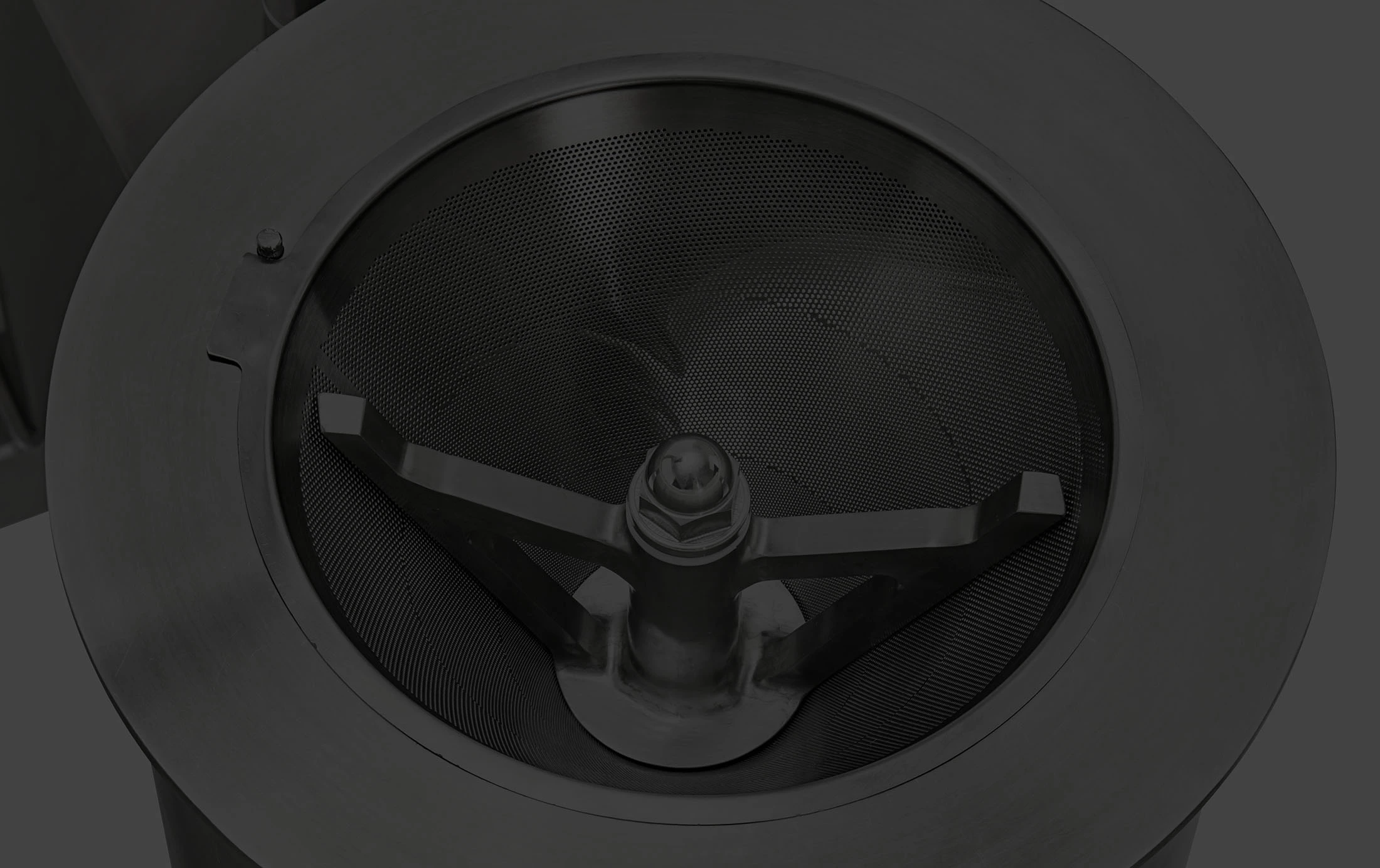


Regular maintenance routines can be notoriously time-consuming and inconvenient, and it's not unknown for some operators or manufacturers to skip them, especially during particularly intensive periods. But this is far from ideal, since doing so can lead to even more consequential issues and the possibility of unscheduled downtime.
Whenever vital maintenance like inspections, servicing, and part replacements get postponed, it can easily lead to a gradual decline in performance, which can have knock-on effects on product quality, production efficiency, and overall reliability. Over time, these issues can develop into even more significant costs, both for the immediate operations at hand, and the organization as a whole. It all underlines why a solid Comil preventive maintenance strategy plays such an important role in protecting productivity and controlling long-term operating costs.
Here, our team at Quadro take a closer look at the financial and operational consequences that can be created by delaying cone mill maintenance, and what you can do to stop them.
What are the most common reasons why maintenance can be delayed?
As you might expect, maintenance can be delayed for a range of reasons, which can vary from one manufacturer to another. In general, they often occur when production demands take priority over planned servicing schedules. During periods of high output, operators may be reluctant to take equipment offline for inspections, cleaning, or component replacement, particularly when there are tight deadlines to meet. Other contributing factors can include limited maintenance resources, staffing constraints, and the assumption that equipment can continue operating without immediate attention.
In some cases, delays can occur because quiet signs of wear are developing gradually, without immediately affecting day-to-day production. That can create the impression that maintenance can wait until a later date, which in turn may enable minor issues to develop into larger operational challenges - increasing the risks of reduced efficiency, product quality concerns, and unplanned cone mill downtime.
How can maintenance delays end up impacting your wider milling operations?
The effects of delayed maintenance rarely remain isolated to a single component or performance issue. For example, accumulated wear on screens, impellers, and other critical cone milling parts can affect throughput, yield, particle size consistency, and overall equipment reliability. Here’s a quick look in more detail at some of the specific problems it can cause.
Reduced throughput and processing efficiency
Wear on screens, impellers, and other critical components can gradually reduce a mill's ability to process material efficiently. Production rates may slow accordingly and you may find that operators need to run the equipment for longer periods to achieve the required output. Over time, even relatively small reductions in throughput can have a significant cumulative effect on productivity.
Milling yield loss caused by worn screens and impellers/p>
Milling equipment is strongly dependent on precision components to produce consistent results. When its screens and impellers become worn, material may then not be processed as intended, resulting in lower product recovery rates and increased waste. Yield losses can directly affect your overall productivity, particularly if your applications involve high-value ingredients or materials.
Rework due to inconsistent particle size
Particle size consistency plays an important role in many manufacturing processes. Worn milling components can make it more difficult to achieve target specifications, leading to batches that may require additional processing before they can move through production. Rework typically increases production time, consumes additional resources, and places further demands on your milling equipment.
Increased fines and off-spec product
As screens, impellers, and other milling components become increasingly worn during normal operation, mills may generate higher levels of fines or produce material that falls outside required specifications. These product quality issues can lead to rejected batches, increased waste, and additional quality control requirements - as well as higher costs throughout the production process - costs which we’ll move onto now.
Increased operating costs
Delayed maintenance can increase operating expenses in several ways. To start with, any equipment that’s operating with worn components may consume more energy, require more frequent intervention from maintenance teams, and place additional strain on associated equipment. What’s more, any emergency repairs, expedited replacement parts, and unplanned labor requirements can all further increase costs that could have been avoided with routine maintenance.
Unplanned (and expensive) downtime
Unexpected equipment failures are generally considered the most disruptive consequence of delayed maintenance. A damaged screen, worn impeller, or failed component can all bring production to a halt while the necessary repairs are completed. Beyond the repair costs themselves, unplanned downtime can affect production schedules, delay deliveries, reduce output, and create operational disruption across the wider facility.

How often should you inspect certain key parts?
The frequency at which you’ll need to inspect certain components can vary depending on your application, operating hours, material characteristics, and production demands. It’s therefore a good idea to ensure that your schedule properly reflects your operating conditions, and the expected wear rates of individual components.
As a general rule:
- Screens should be inspected at least weekly in most applications. Daily inspections are often recommended for high-throughput operations, or when processing abrasive materials. A screen that has developed worn mesh, enlarged apertures, or areas of distortion can quickly start to affect particle size distribution, so it’s important to replace any damaged screens before they start to affect the quality of the product.
- Impellers will generally need to be inspected monthly, although more frequent weekly inspections may be appropriate in demanding applications where the wear rates tend to be higher. It’s worth paying particular attention to erosion around leading edges and any reduction in critical dimensions, as gradual material loss can alter how product moves through the mill, and affect overall milling performance.
- Gearbox seals and bearings are recommended to be checked after every clean down to ensure there is no damage. Thereafter, any oil leaks, rising operating temperatures, abnormal vibration, or changes in operating noise can all indicate developing mechanical issues that warrant further investigation before they develop into more serious failures.
How can Quadro help to keep your operations in optimal condition?
Generally speaking, the key to keeping your milling equipment in good condition is a combination of timely maintenance, access to the right replacement components, and a clear understanding of how key parts may be affected by wear throughout your system. That's exactly where we can help at Quadro. If your inspections identify any worn screens or impellers, we can provide genuine OEM replacement parts through our aftermarket services. This helps you to avoid the risks of performance inconsistencies, product quality issues, and unplanned downtime that can sometimes arise when critical components fail to perform as expected.
We also offer gearbox refurbishment services for mills that may require attention to their seals, bearings, and other critical gearbox components. Our refurbishment capabilities can help to restore your gearbox performance and extend the service life of your existing equipment, giving you a practical way to address wear that affects one of your most important assemblies.
Alongside replacement parts and refurbishment services, we can help you to assess the condition of your equipment, and determine the most appropriate mill maintenance schedules for your operating conditions. To find out more about our aftermarket services, don’t hesitate to get in touch with us.